
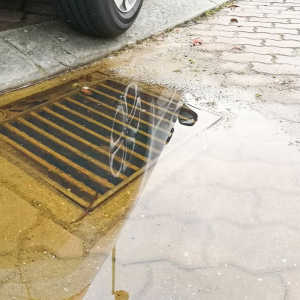
Blocked drains are a common household problem that can quickly escalate into a messy and expensive nightmare. When your drains get clogged, water and waste cannot flow freely, causing unpleasant odors, slow drainage, and even flooding. It’s important to take action as soon as you notice any signs of blockage to prevent further damage to your pipes and the surrounding areas. So, don’t wait until it’s too late – click here to learn how you can keep your drains flowing smoothly and avoid the hassle of dealing with blocked drains.
Prevention is Key
The first step to avoiding blocked drains is prevention. By implementing a few simple habits, you can significantly reduce the risk of blockages in your pipes. The most effective way to prevent clogs is to monitor what goes down your drains. Avoid pouring cooking oils, grease, and other food scraps down your kitchen sink, as they can solidify and stick to the inside of your pipes. Make sure to use drain covers in your bathroom to catch hair and other debris before they get washed down the drain. Regularly cleaning these covers will also help prevent buildup. Finally, avoid flushing anything other than toilet paper down your toilet, as other products can easily cause blockages.
Regular Maintenance
Just like any other part of your home, your drains require regular maintenance to function properly. This includes regularly cleaning out your kitchen sink and bathroom drains with a mix of hot water and vinegar. For tougher clogs, you can also use a plunger or a plumbing snake to remove any debris built up in your pipes. In addition, consider scheduling annual inspections with a professional plumber. They can identify any potential issues and fix them before they turn into bigger problems.
Signs of a Blocked Drain
It’s crucial to address blocked drains as soon as possible, but how can you tell if your drains are clogged? There are several warning signs to look out for. The most obvious one is a slow or completely blocked drain – if the water is draining slowly or not at all, it’s likely that there is a blockage somewhere in your pipes. Unpleasant smells coming from your drains may also indicate a buildup of waste. Gurgling noises when using your sink or toilet are another red flag, as they can signal that air is trapped in your pipes due to a blockage.
DIY Solutions
If you suspect that your drains are blocked, there are a few DIY solutions you can try before calling a professional plumber. For example, a mixture of baking soda and vinegar can be an effective and natural way to loosen up a clog. You can also try using a plunger or a plumbing snake, depending on the location of the blockage. However, it’s important to note that these methods may not always work, especially if the blockage is deep within your pipes. In these cases, it’s best to seek professional help.
Professional Help
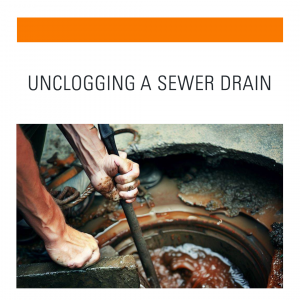
When all else fails, don’t hesitate to call in the professionals. A licensed plumber has the expertise and specialized equipment to quickly and effectively remove any blockages in your pipes. They can also perform a thorough inspection to identify the root cause of the problem and provide long-term solutions to prevent future blockages. Additionally, hiring a professional can save you time and money in the long run by preventing further damage to your pipes and the surrounding areas.
The Importance of Acting Now
Blocked drains may seem like a minor inconvenience, but if left untreated, they can lead to serious problems. Clogs can damage your pipes over time, causing leaks and eventually requiring costly repairs or replacements. In addition, blocked drains can also lead to foul odors and even health hazards due to the buildup of bacteria and mold. By taking proactive measures and addressing any blockages as soon as they arise, you can save yourself from these headaches and keep your plumbing system functioning properly.
In conclusion, prevention and regular maintenance are key to avoiding blocked drains. Keep an eye out for any warning signs and take action as soon as possible to prevent further damage. Remember, a little effort now can save you a lot of trouble in the future. So, don’t wait until it’s too late – click here to learn more about how you can keep your drains flowing smoothly and avoid the stress of dealing with blocked drains!